Surface truth
Older trim should be cleaned up, not erased.

Older-home painting
Older rooms and exteriors should not be flattened into new-construction blandness. We look for plaster movement, old paint buildup, trim profiles, moisture, and color choices that honor the house.
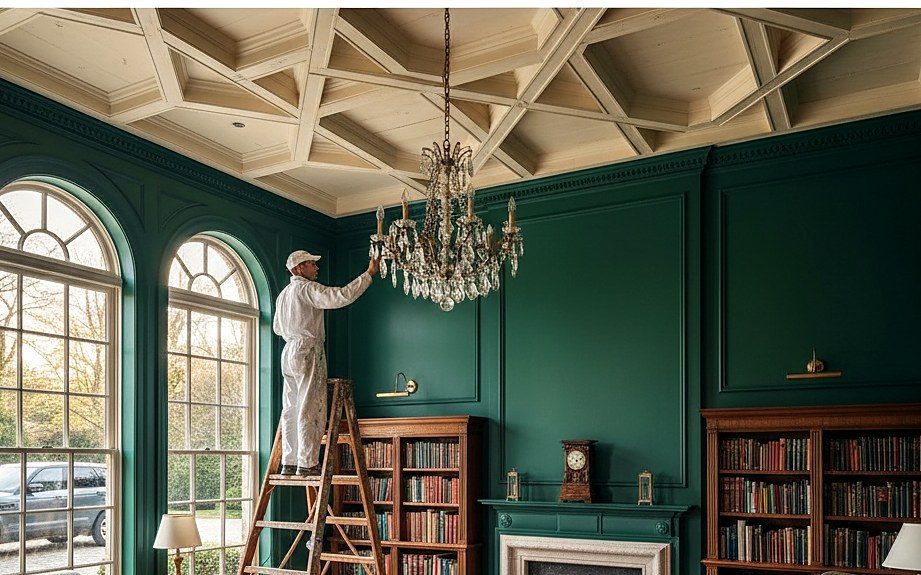
Image direction

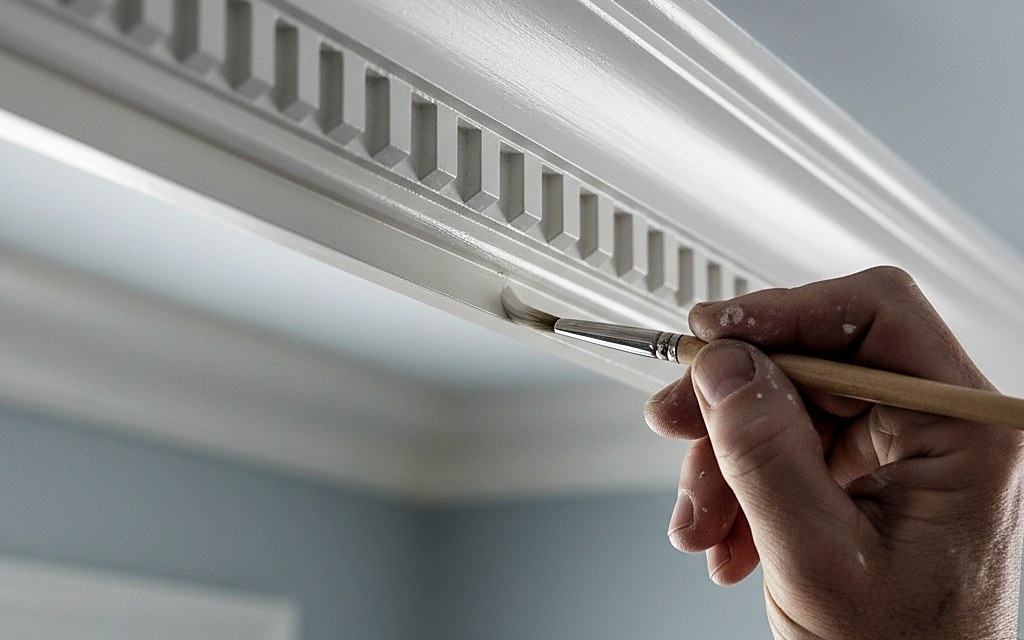

Service lens
Older-home painting starts with the surface story: plaster-aware prep, trim, doors, built-ins, older exteriors, repairs, priming, restrained color, and careful protection. The scope should reflect the details that make the finish succeed rather than a generic promise to repaint.
In Westchester and Fairfield homes, this usually means balancing architecture, light, access, protection, schedule, and the level of preparation the room or exterior actually needs.
What we inspect
The best older-home painting plan is decided before the finish coat. We look for the factors that would make a quick coat fail or feel ordinary.
Older trim should be cleaned up, not erased.
Plaster movement and old repairs are named before painting.
Lead-safe awareness is part of the conversation when age requires it.
Pricing context
For older-home painting, older-home pricing depends on preparation, repairs, lead-safe considerations where applicable, trim detail, access, and desired level of restoration. We state that plainly so the first conversation starts with useful context.
The final number follows the surface, access, preparation, finish level, and schedule. A smaller scope may be simple; a detailed transformation deserves a written scope.
Sequence
You share town, project type, timing, photos if useful, and the surfaces that matter most.
We review access, repairs, finish expectations, color or sheen, and whether the project is a good fit.
Protection, cleaning, sanding, patching, priming, caulking, or repair work is sequenced before finish coats.
The work is checked in real light, small misses are addressed, and aftercare expectations are made clear.
Questions
Start with the consultation form. Include the town, scope, timing, and photos if they help explain the surfaces.
Sometimes we can discuss a useful starting range, but final pricing depends on surfaces, access, preparation, and finish expectations.
No. We use the consultation to confirm scope, schedule, and whether the project is the right fit.
Book consultation
Send the service, town, timing, and surface concerns. We will prepare the next step without forcing a hard sell.
Prefer email? hello@chipandtuck.com