What we protect
Time, floors, furniture, landscaping, hardware, finished spaces, and the homeowner’s attention.

Process
The best painting projects feel calm because decisions happen in the right order. We begin with the home, then the surfaces, then the schedule, then the finish.
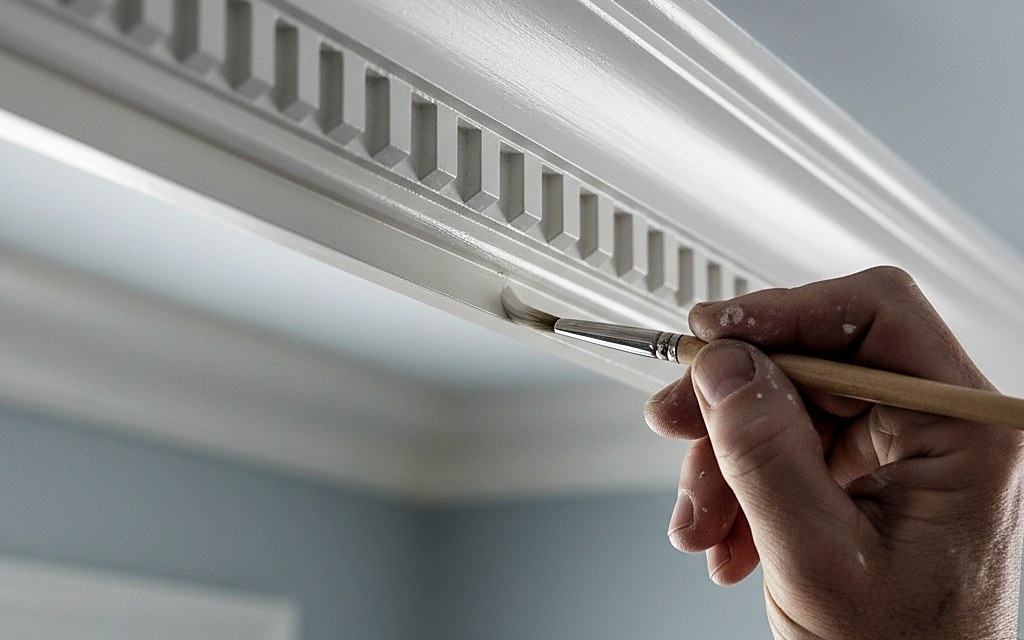
Image direction


Overview
The consultation request gives us the town, project type, timing, contact details, and the story of the surfaces. From there, Chip & Tuck organizes the lead experience and qualification before the field team is asked to commit to work.
That structure matters. It keeps homeowners from repeating the same information and keeps Ricardo and the field operation focused on projects that are ready for real estimating and execution.
Sequence
You share location, scope, timing, contact details, and notes about the rooms, cabinets, exterior, or color problem.
Photos, rough dimensions, problem areas, timing constraints, and known repairs help us understand the work before a visit.
We check whether the project fits the service area, schedule, crew capabilities, and premium painting model.
Some projects move to an estimate visit; others begin with a useful range or a clearer scope conversation.
The scope captures surfaces, prep, color, sheen, access, protection, timeline assumptions, and exclusions.
We discuss dates, rooms, pets, parking, furniture, landscaping, and any sequencing needed to keep the home livable.
Protection, cleaning, repair, sanding, patching, caulking, and priming happen before the finish work.
Finish coats are applied with attention to edges, light, sheen, trim, cabinetry, or exterior exposure.
Small misses are easier to handle when they are named. We check details rather than hoping no one notices.
The final walkthrough explains aftercare, cure time, touch-up expectations, and anything to watch over the next season.
Trust
The process page should feel like a trust page, not a template of steps. These three standards keep the work calm before, during, and after paint.
Time, floors, furniture, landscaping, hardware, finished spaces, and the homeowner’s attention.
Photos, surfaces, access, repairs, color, sheen, schedule, written scope, and the handoff to Ricardo’s field team.
Protection, prep, communication, field judgment, punch list, walkthrough, and aftercare expectations.
What we avoid
The process does not pretend every inquiry becomes a project, every project can be priced from a single photo, or every schedule request can be met. A premium experience includes saying when more context is needed.
It also does not replace field judgment. Chip & Tuck organizes the lead experience and keeps the homeowner informed; Ricardo and the field team confirm the field realities that determine final scope, schedule, and execution.
Homeowner preparation
The most useful preparation is simple: gather a few clear photos, note the rooms or exterior elevations that matter most, identify any repairs or water staining, and share timing constraints early. If a cabinet project is involved, a rough door and drawer count helps. If an exterior is involved, photos of peeling, shaded sides, trim, and access tell a better story than a single front view.
Before the field team arrives, we may discuss furniture, pets, parking, landscaping, fragile items, remote work schedules, and rooms that need to stay available. Those details are not fussy; they are how a premium project stays calm in a real home.
Questions
No. It is a practical fit and scope conversation.
Chip & Tuck manages the lead experience and qualification; Ricardo and the field team handle crew and field operations.
Yes. A color consultation, cabinet project, exterior repaint, and whole-home interior all need different sequencing.
Book consultation
Share the neighborhood, the rooms or exterior, and the best way to reach you. We will prepare the next step without pressure.
Prefer email? hello@chipandtuck.com