Surface truth
Map morning and evening light before committing color.

Interior painting
We paint interiors that need more than a fresh coat: older millwork, plaster walls, sunlit kitchens, quiet bedrooms, and color decisions that have to feel right in the actual light of the home.
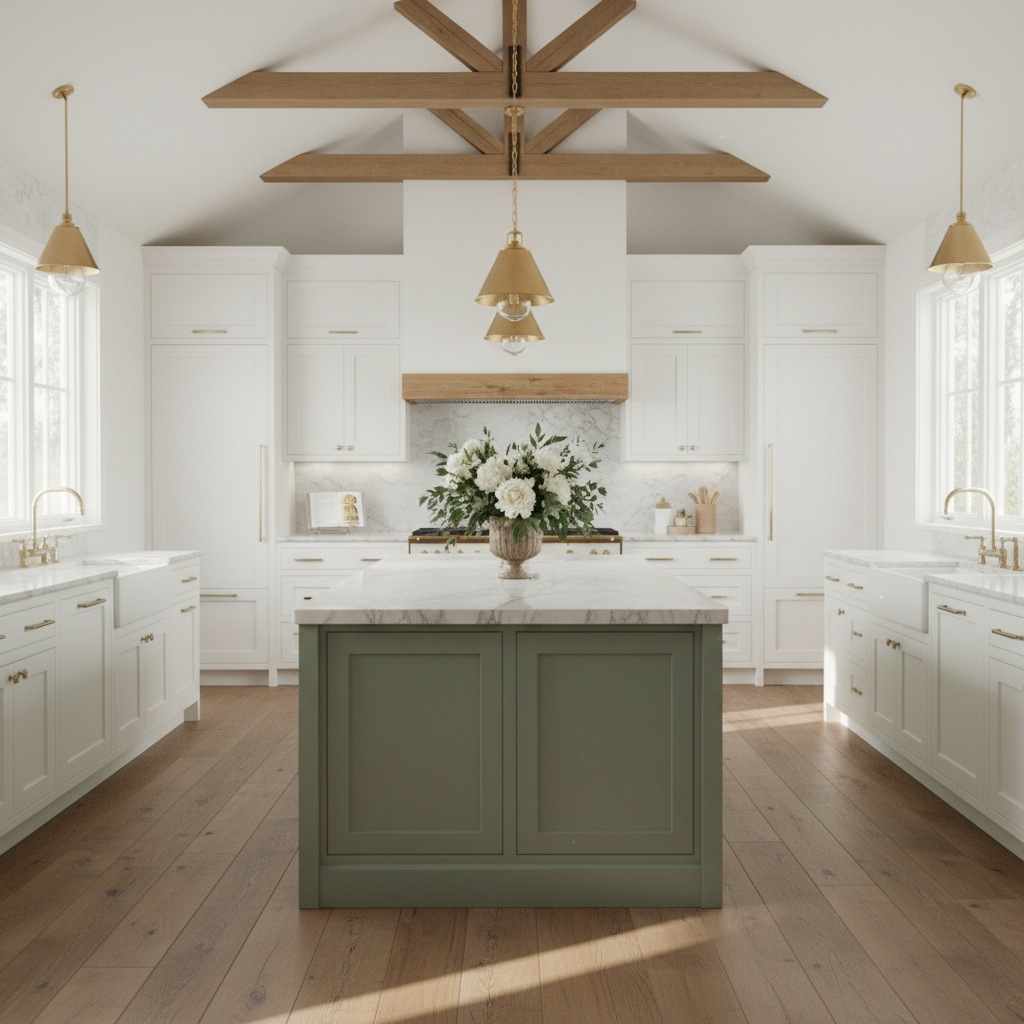
Image direction

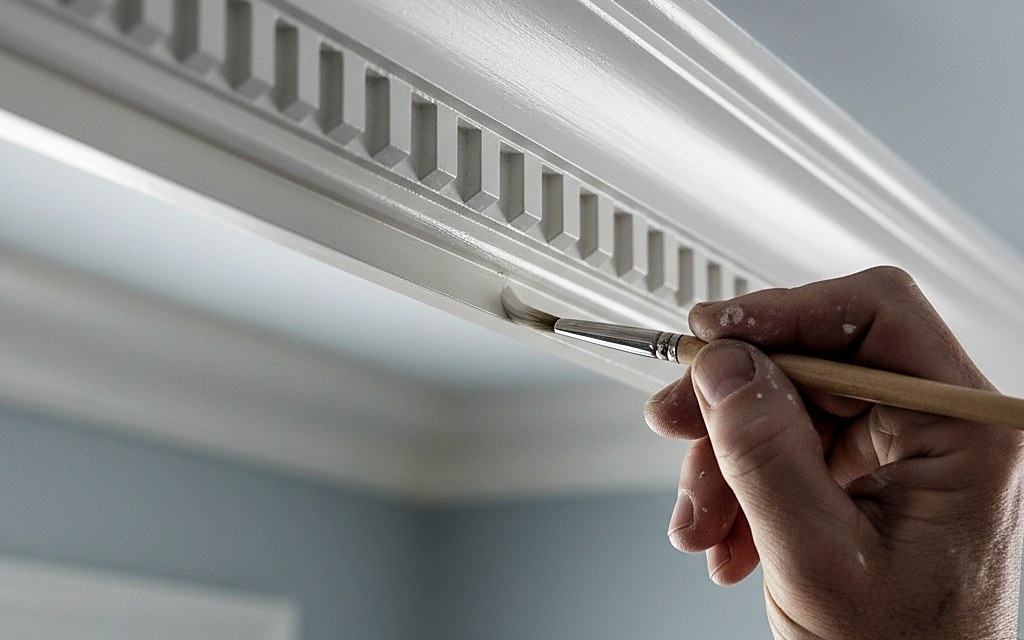

Service lens
Interior painting starts with the surface story: interior rooms, halls, ceilings, trim, doors, built-ins, plaster touchups, and color placement. The scope should reflect the details that make the finish succeed rather than a generic promise to repaint.
In Westchester and Fairfield homes, this usually means balancing architecture, light, access, protection, schedule, and the level of preparation the room or exterior actually needs.
What we inspect
The best interior painting plan is decided before the finish coat. We look for the factors that would make a quick coat fail or feel ordinary.
Map morning and evening light before committing color.
Name plaster repair and nail pops before finish coats.
Protect floors, furniture, hardware, and built-ins as visible finish work.
Pricing context
For interior painting, individual rooms often begin around $3,500; connected rooms, tall ceilings, plaster repair, intricate trim, built-ins, and premium finish expectations move the range upward. We state that plainly so the first conversation starts with useful context.
The final number follows the surface, access, preparation, finish level, and schedule. A smaller scope may be simple; a detailed transformation deserves a written scope.
Sequence
You share town, project type, timing, photos if useful, and the surfaces that matter most.
We review access, repairs, finish expectations, color or sheen, and whether the project is a good fit.
Protection, cleaning, sanding, patching, priming, caulking, or repair work is sequenced before finish coats.
The work is checked in real light, small misses are addressed, and aftercare expectations are made clear.
Questions
Start with the consultation form. Include the town, scope, timing, and photos if they help explain the surfaces.
Sometimes we can discuss a useful starting range, but final pricing depends on surfaces, access, preparation, and finish expectations.
No. We use the consultation to confirm scope, schedule, and whether the project is the right fit.
Book consultation
Send the service, town, timing, and surface concerns. We will prepare the next step without forcing a hard sell.
Prefer email? hello@chipandtuck.com