Start with the surface
Look closely at undertone, daylight, fixed finishes, trim temperature, and sampling discipline before making a visual decision.

Color
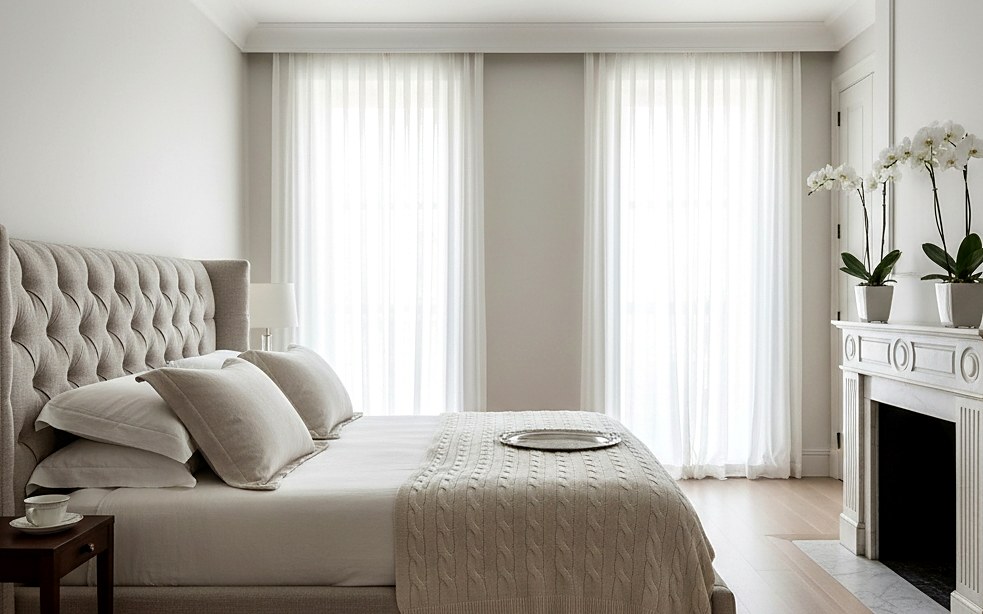
A good warm white is not just not gray. It has to work with the room’s light, trim, floors, stone, and the hour of day when you actually live there.

Image direction

Editor’s note
A good warm white is not just not gray. It has to work with the room’s light, trim, floors, stone, and the hour of day when you actually live there. The useful question is not what looks good in a photograph. It is what will still feel right after furniture returns, daylight changes, and the house starts being lived in again.
For this topic, the real variables are undertone, daylight, fixed finishes, trim temperature, and sampling discipline. Naming those constraints early keeps the recommendation practical.
Decision filter
Use the surface and the home as the filter. The best answer usually appears when fixed conditions are named before color, schedule, or price.
Look closely at undertone, daylight, fixed finishes, trim temperature, and sampling discipline before making a visual decision.
Judge rooms at the hour they are actually used rather than choosing from a screen or a trend board.
The important cost driver is often what happens before finish coats: cleaning, sanding, repair, priming, protection, or cure time.
Local lens
Westchester and Fairfield homes often mix older architecture with busy modern use. A Scarsdale hall, Rye exterior, Greenwich kitchen, Darien mudroom, or Westport clapboard home will not all reward the same answer.
Local context turns the topic from generic advice into a practical decision: rooms at the hour they are actually used, shoreline humidity, shaded elevations, older plaster, detailed millwork, cedar, stone, and family schedules all matter.
Common mistakes
Avoid choosing paint from a screen, skipping prep because the old finish looks acceptable from ten feet away, using one sheen everywhere, or assuming the lowest number includes the same surface preparation.
Also avoid overcorrecting. Fewer better options before paint is bought often matters more than making the most dramatic possible change.
When to act
A consultation is worth booking when the decision has enough variables that a quick answer could become expensive: older trim, cabinet condition, exterior failure, connected rooms, full-home sequencing, or a color that must work with fixed finishes.
Share photos, the town, the rough scope, the surfaces that worry you, and the timing you are hoping for. From there, we can decide whether the next step is a range conversation, an estimate visit, color guidance, or a more detailed scope.
Further reading
Questions
Book when the scope, timing, surfaces, or color decision is important enough that a rushed estimate would be unhelpful.
Yes. Photos of rooms, trim, cabinets, exterior sides, failures, and fixed finishes help us understand the project before an estimate visit.
Yes. The goal is a clear next step: consultation, estimate visit, scope refinement, or an honest note if the project is not the right fit.
Soft next step
Share the town, surface, timing, and a few notes. We will help decide whether the next step is a range conversation, estimate visit, or color guidance.
Prefer email? hello@chipandtuck.com